


Blog
Understanding Hair Loss

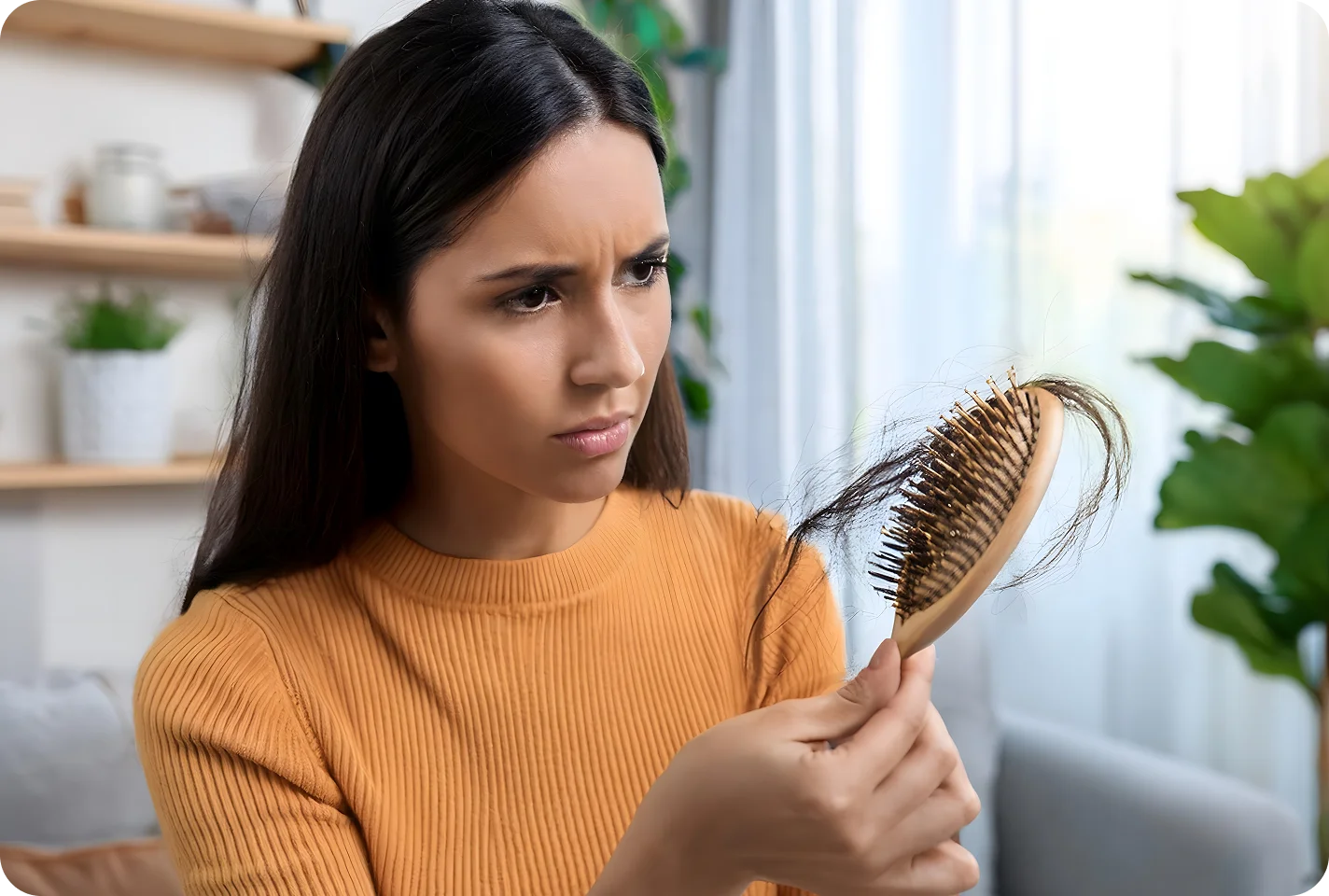
Hair loss is a common concern that can affect people of all ages. Losing a few strands of hair every day is completely normal, as hair naturally goes through cycles of growth, rest, and shedding. However, noticeable thinning, excessive shedding, or bald patches may indicate an underlying issue that deserves attention.
Understanding why hair loss happens is the first step toward choosing the right approach to manage it.
What Causes Hair Loss?
Hair loss can occur for many different reasons. Some of the most common causes include:
1. Genetics
Hereditary hair loss is one of the most common forms of hair loss in both men and women. It typically develops gradually and may appear as a receding hairline, thinning at the crown, or overall hair thinning.
2. Hormonal Changes
Changes in hormone levels can significantly affect the hair growth cycle. Pregnancy, menopause, thyroid-related changes, and other hormonal fluctuations may contribute to temporary or persistent hair loss.
3. Stress and Lifestyle
Physical or emotional stress can sometimes trigger increased hair shedding. Poor sleep, extreme dieting, nutritional deficiencies, and an unhealthy lifestyle may also affect hair growth and overall scalp health.
4. Nutritional Deficiencies
Hair requires adequate nutrients to grow properly. Low levels of nutrients such as iron, protein, zinc, vitamin D, or certain B vitamins may contribute to hair shedding in some people.
5. Scalp and Hair Conditions
Certain scalp conditions can interfere with healthy hair growth. Dandruff, inflammation, infections, and other scalp problems may contribute to excessive shedding or weakened hair.
Different Types of Hair Loss
Not all hair loss looks the same. Identifying the pattern can help determine its possible cause.
Gradual thinning: Hair becomes progressively thinner over time, often due to hereditary factors.
Excessive shedding: A noticeable increase in hair falling out may occur after stress, illness, major lifestyle changes, or other triggers.
Patchy hair loss: Small or clearly defined bald patches may be associated with certain autoimmune or scalp conditions.
Receding hairline: Often seen with hereditary hair loss, particularly in men, although women can also experience changes around the hairline.
When Should You Be Concerned?
Occasional hair shedding is normal, but sudden or significant changes should not be ignored. Consider seeking professional advice if you notice:
- Sudden or rapid hair loss
- Clearly visible bald patches
- Significant thinning over a short period
- Persistent scalp itching, redness, or irritation
- Hair loss accompanied by other unexplained changes
A dermatologist or qualified hair specialist can evaluate your scalp and hair, discuss your history, and recommend appropriate tests or treatment when necessary.
How Can You Support Healthy Hair?
While not every type of hair loss can be prevented, maintaining good overall and scalp health can support normal hair growth.
A balanced diet containing sufficient protein and essential nutrients is important. Gentle hair care can also help reduce unnecessary breakage. Avoid excessive heat styling, harsh chemical treatments, and hairstyles that constantly pull on the hair.
Managing stress, getting adequate sleep, staying hydrated, and maintaining a consistent hair-care routine can also contribute to healthier-looking hair.
Finding the Right Approach
There is no single solution that works for every type of hair loss. The most effective approach depends on the underlying cause, the pattern of hair loss, and individual factors.
Instead of relying on quick fixes, understanding the reason behind hair loss is essential. Early professional evaluation can help identify potential causes and provide a clearer path toward appropriate management.
Conclusion
Hair loss can be frustrating, but it is important to remember that it can have many different causes. From genetics and hormonal changes to stress, nutrition, and scalp conditions, identifying the underlying factor is key.
If you are experiencing persistent or noticeable hair loss, professional guidance can help you understand what is happening and determine the most suitable next steps. With the right information and consistent care, you can take a more informed approach to maintaining healthy hair and scalp.