














Jaypal1234
3 months ago
Staff behaviour are too good and helpfull
And medical service are also better

Aman Mansuri
3 months ago
Doctor do a great job excellent treatment 👍🏻

Ajay pal singh
3 months ago
The one of the best clinic in jodhpur dental staff is very helpful and good 👍

Gopal Singh
3 months ago
The best dentist always kind and so helpful 👍

Kuldeep Sharma
3 months ago

Suman Vaisnav
3 months ago
🙏🙏

Govind Vaishnav
3 months ago
Best staff

Monika Rathore
3 months ago
I took 8–9 laser hair removal sessions for my upper lip and chin at Agrawal Clinic in 2021. They seemed to perform only the first 2–3 sessions properly. After that, it felt like they were just going through the motions. I could clearly feel the difference, and despite paying so much money, I saw no improvement.
Before every session, they shaved all the hair on my chin and neck using a trimmer. After doing this repeatedly over 8 sessions, my hair growth has actually become worse. It was a complete waste of money and a very disappointing experience.
This was one of the worst experiences I've had. I would not recommend this clinic for laser hair removal. Please think twice before visiting.

Bhavya Rana
3 months ago
Professional, friendly and great treatments by the doctor and the staff.

SUKH RAM MEENA
3 months ago
Best treatment in Jodhpur

Arvind Patel
4 months ago
One of the best clinic I have visited the doctor are knowledgeable the staff is supportive and the entire procedure was smooth and hassle free

Piyush Dhoot
5 months ago
I went to this dermatologist for acne and was prescribed isotretinoin 10mg. Along with it, he told me to use clindamycin + adapalene gel, a salicylic acid serum, and a salicylic acid face wash - all at the same time.
My skin reacted very badly. Severe dryness, irritation, and what felt like my skin barrier completely breaking down. It made sense when I looked it up later - isotretinoin already pushes your skin to the limit. Adding adapalene, an antibiotic gel, and two salicylic acid products on top of it is too much for anyone's skin to handle.
I trusted this doctor and followed the routine exactly as told. That was a mistake. Please get a second opinion before starting any multi-product prescription from this clinic, especially if isotretinoin is involved. I don't want anyone else going through what I went through.

Ketki Jangid
5 months ago
I had a very disappointing experience with this clinic. I called around 1 pm and clearly informed the receptionist that I wanted a third molar extraction and that I had a bus later, so timing was important. I repeated this time constraint more than once. I was assured that the doctor would be available around 4 pm and that the procedure would take around 40–45 minutes.
Based on that assurance, I went to the clinic and paid the ₹400 consultation fee. However, after meeting the dentist, I was told that extraction would not be done that day and that I should come after 3 days after taking antibiotics. This was surprising because the tooth was broken but completely asymptomatic — no pain, no sensitivity, no pus, no swelling, and no fever.
As a medical doctor, I found the routine requirement of antibiotics before extraction in an apparently non-infected tooth questionable and not properly explained. My main concern, however, is the poor communication: the clinic had around 3 hours between my call and visit to confirm with the dentist, but I was still given an assurance that did not match what happened at the appointment.
The receptionist later offered to refund the consultation fee, but by then my time and travel had already been wasted. Patients deserve clear scheduling, honest communication, and proper explanation of clinical decisions. I would advise others to confirm directly with the dentist before visiting for any procedure.

Neetu Charan
7 months ago
Recently I visited Dr Aggarwals clinic for oxy hydra facial skin instantly fresh and glowing lag rahi hai totally worth it

Kesharee Mal
7 months ago
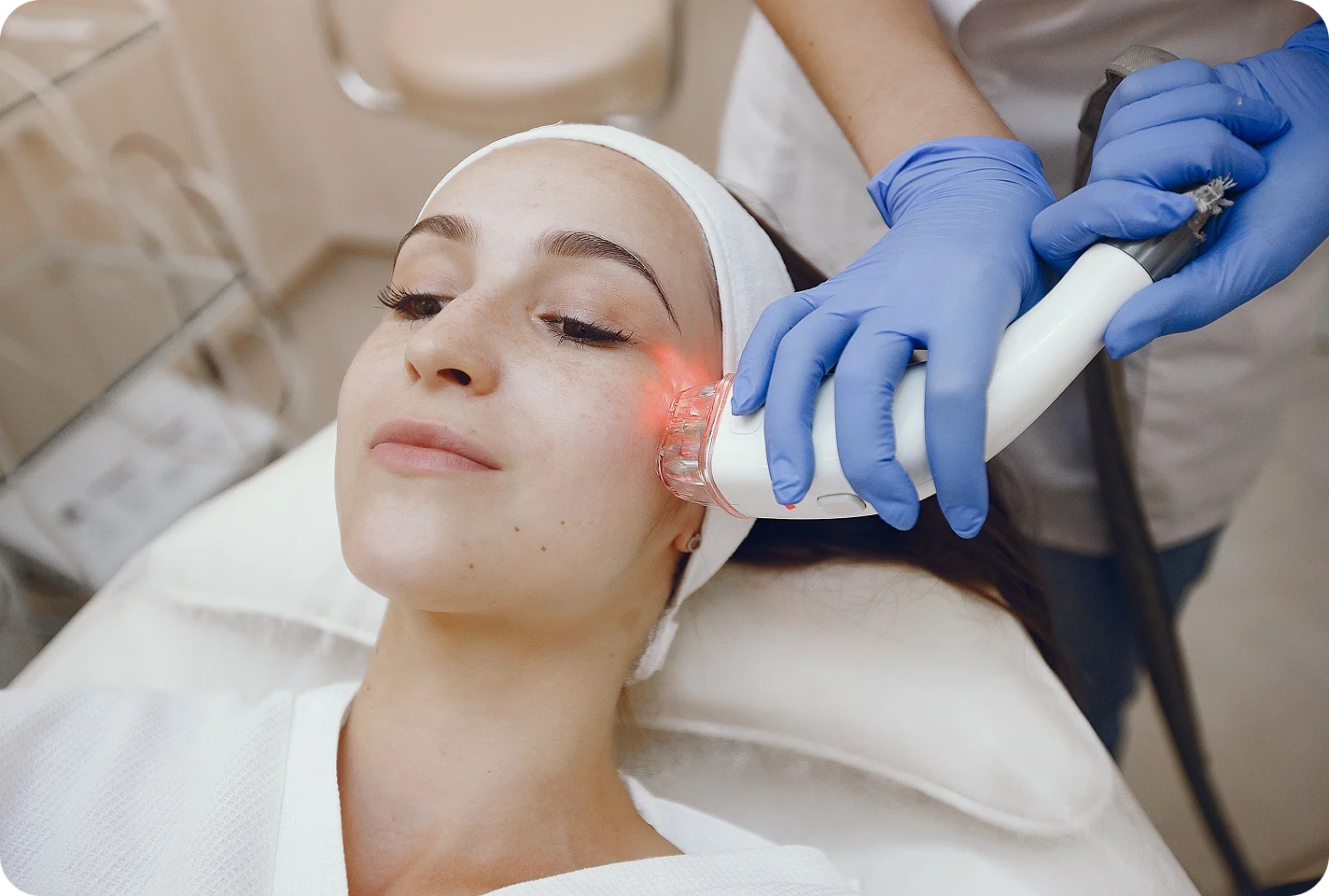
I’ve been taking laser hair reduction sessions here and I’m really happy with the results. The procedure is safe, comfortable Definitely worth it